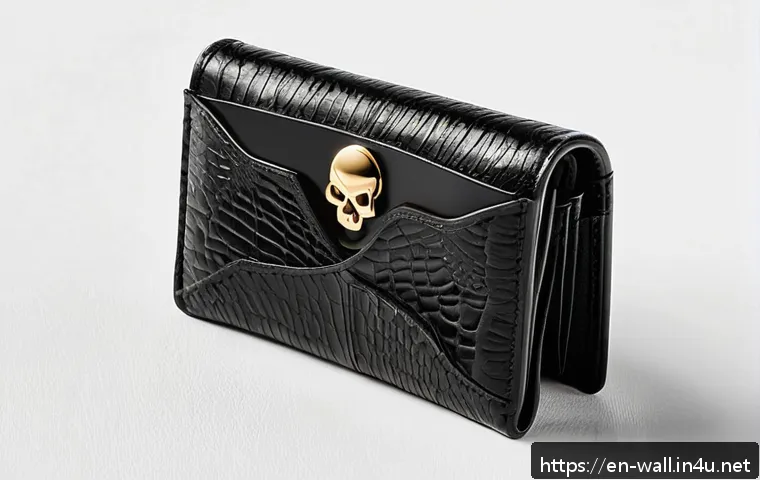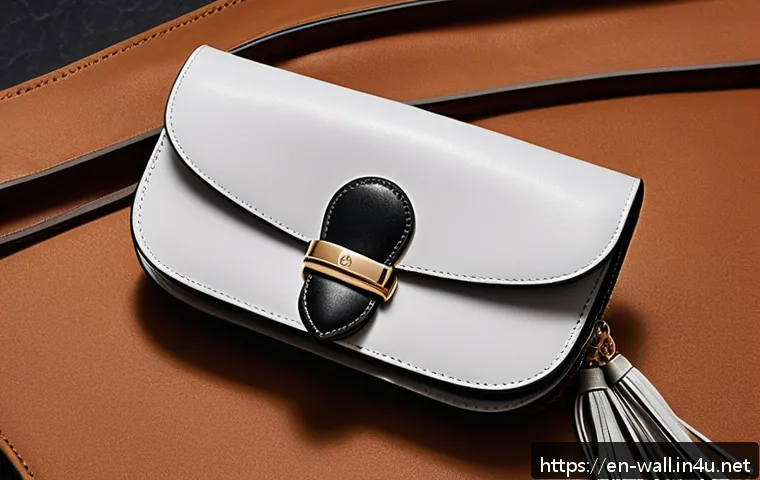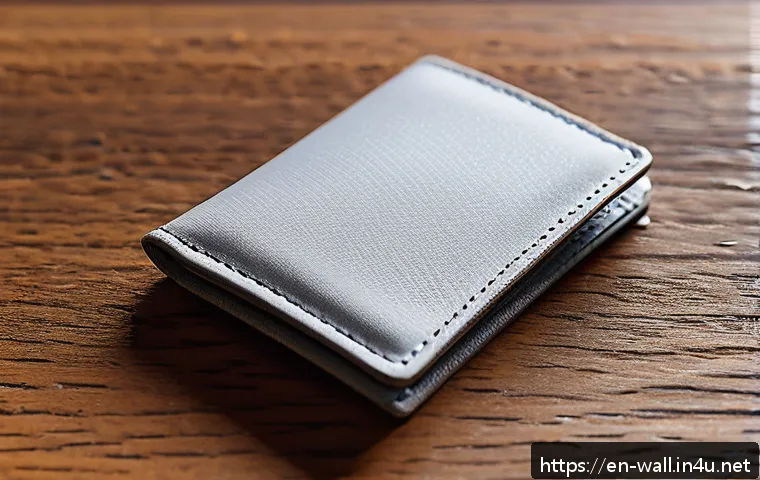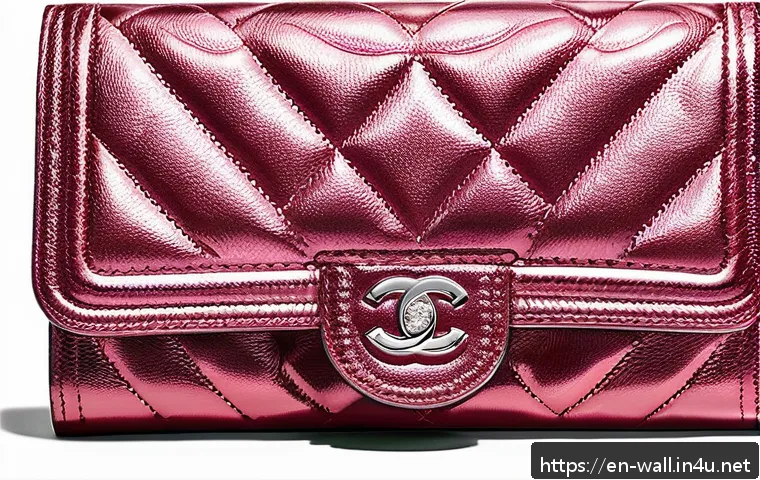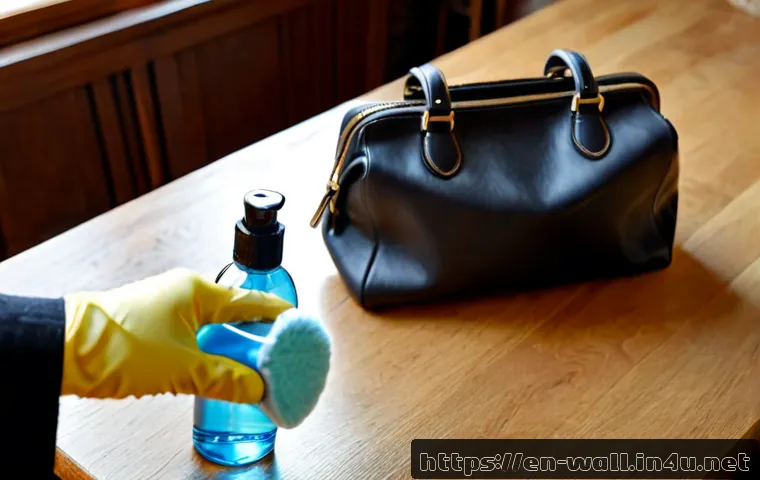
Start by identifying the leather finish, then use the least invasive care method possible. For routine dust, a soft, dry microfiber cloth is usually the safest starting point for many smooth Prada leather items.
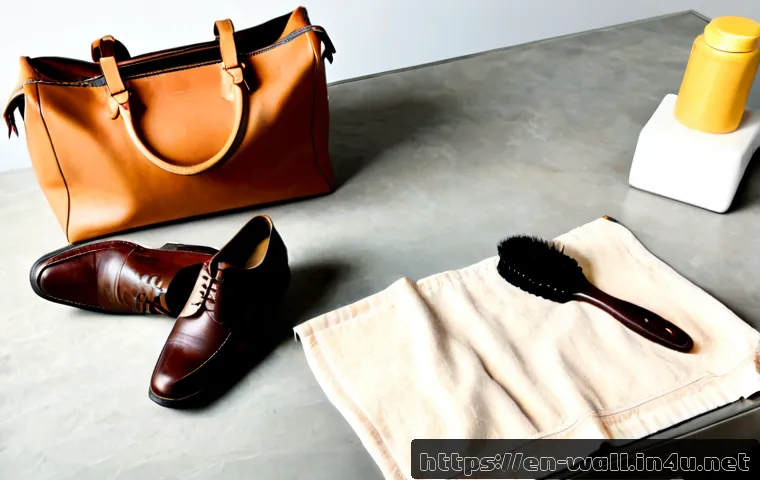
Different finishes can react very differently to moisture, conditioner, friction, and cleaning products, so one method should not be used for every bag, wallet, shoe, or accessory.
Basic storage supplies and a carefully chosen leather-care product may be enough for light maintenance. For ink, mold, set-in dye transfer, peeling, or structural damage, a qualified luxury leather restoration specialist may be the safer choice.
At a Glance
- Identify the finish first: smooth, textured, patent, suede, and nubuck leather need different handling.
- Use the least invasive method: dry dusting and gentle blotting are safer than water, wipes, or household cleaners.
- Escalate difficult damage: ink, mold, peeling, deep stains, and set color transfer may need luxury leather restoration.
| Care Option | Best Use Case | Risk Level | Cost Consideration |
|---|---|---|---|
| At-home dry maintenance | Surface dust, light handling marks, regular storage care | Lower when limited to a soft, dry microfiber cloth | Useful for ongoing care supplies such as microfiber cloths and dust bags |
| Targeted leather-care products | Only after confirming compatibility with the leather finish | Moderate, because conditioner or protectant may affect color or finish | May suit owners who want a premium leather-care kit for careful maintenance |
| Professional cleaning or restoration | Ink, mold, deep stains, peeling, structural problems, persistent dye transfer | Lower than repeated home experiments, but results and suitability must be confirmed | May help protect a higher-value item from further loss or damage |
The Safest Starting Point for Prada Leather Care
The safest approach is simple: know the material, remove dust gently, and avoid rushing into treatment. Prada uses more than one leather type, and care can vary by finish, coating, color, and item category. A method that seems harmless on a smooth leather bag may be unsuitable for patent leather, suede, nubuck, or a delicate light-colored finish.
Identify the Finish Before Using Any Product
Before reaching for leather conditioner, cleaner, or protectant, look closely at the surface. Smooth leather often has a more even appearance, while textured or embossed leather has a patterned grain. Patent leather has a noticeable glossy coating. Suede and nubuck have a soft, brushed surface that should not be treated like standard smooth leather.
If the exact leather type or coating is unclear, treat that uncertainty as a reason to be conservative. Do not assume that “leather cleaner” means safe for every leather item. Check the item’s available care guidance and the product details before applying anything beyond dry dust removal.
The Low-Risk Routine: Dust, Blot, Dry, and Protect
For many smooth leather pieces, regular surface dust removal with a soft, dry microfiber cloth is a sensible routine. Use light pressure. Do not scrub a spot repeatedly, especially on corners, handles, edges, or raised logos where friction can change the finish.
If a fresh spill occurs, blot rather than rub. Use a clean, dry, soft cloth and lift moisture with gentle contact. Then let the item dry naturally away from heat and direct sunlight. This restrained routine is often more useful than trying multiple cleaners in quick succession.
What to Do Immediately After a Spill or Rain Exposure
After rain or a liquid spill, remove excess moisture by blotting with a dry cloth. Keep the item away from radiators, hair dryers, heated vents, and strong sunlight. Excessive heat can contribute to stiffness, discoloration, or finish damage.
Do not saturate the leather in an attempt to “even out” a water mark. If a mark remains, or if the leather changes texture, color, or shape, pause home treatment. A luxury bag cleaning or restoration service can assess whether further work is appropriate.
At-Home Care vs. Professional Cleaning: Which Option Fits the Damage?
Routine maintenance belongs at home; uncertain or severe damage deserves caution. The goal is not to clean every mark aggressively. It is to prevent small issues from becoming permanent ones.
Comparison: Routine Maintenance, Targeted Cleaning, and Restoration
At-home care is best for predictable tasks: removing dry surface dust, maintaining storage habits, and blotting fresh moisture. A premium leather-care product may be considered only when its compatibility with the specific finish is clear. For damage that has set into the leather or affected its structure, professional restoration is often the more measured path.
Ink, mold, finish peeling, deep stains, and established color transfer are not good situations for improvising. Dark denim, printed textiles, and other dyed materials can transfer color to leather, and removal can become more difficult after the dye has set.
Value Considerations for Handbags, Shoes, Wallets, and Small Accessories
A handbag may need shape support and careful storage, while shoes face more abrasion and contact with moisture. Wallets and small accessories are often exposed to hand oils, pockets, and frequent friction. The item’s condition, finish, color, and intended use all matter when deciding whether basic supplies are enough.
For low-risk upkeep, a microfiber cloth, breathable dust bag, and suitable bag insert or soft stuffing can be practical purchases. For a visibly damaged luxury item, comparing specialist cleaning and restoration providers may be more valuable than buying several products and testing them one after another.
When Paying for Specialist Service Can Prevent a More Expensive Loss
Professional service may be worth considering when the alternative is repeated cleaning attempts that could spread a stain, strip a finish, or cause uneven color. This is especially true for light-colored leather, coated finishes, suede-like surfaces, and items with visible peeling or structural damage.
Ask a provider what type of leather or finish they assess, what treatment they propose, and whether they can explain the possible limitations. Do not assume a service can fully remove every stain or restore every finish.
A Gentle Cleaning and Storage Routine
A consistent, low-intervention routine can reduce exposure to many common causes of damage. Focus on clean handling, breathable storage, and avoiding environmental stress.
Dry Cleaning Steps for Smooth and Textured Leather
Empty the item and place it on a clean, dry surface. Use a soft, dry microfiber cloth to remove loose dust with gentle strokes. For textured or embossed leather, avoid pressing hard into grooves. Inspect handles, corners, and areas near hardware, since these receive frequent contact.
Stop if you notice color coming off on the cloth, a change in sheen, or an unfamiliar residue. Those signs do not confirm a specific problem, but they are a reason not to continue with stronger methods.
Using Conditioner or Protectant Cautiously
Conditioner and protectant products can sound like universal solutions, but they are not automatically appropriate for every Prada leather finish. They may change appearance, affect coatings, or create uneven results if they are incompatible with the item.
Choose only a product with clear material guidance, and confirm whether it is intended for the leather type involved. If compatibility cannot be confirmed, the safer decision is to skip treatment. More product is not better. Over-conditioning can create its own appearance and texture concerns.
Shape Retention, Dust Bags, Stuffing, and Breathable Storage
Store leather away from direct sunlight, high humidity, and heat sources. Use a breathable dust bag rather than sealing the item in a non-breathable environment. For handbags, gentle stuffing or a properly sized insert can help support shape without stretching seams or pressing against the leather.
Keep hardware from resting directly against the leather when possible. Avoid crowded storage where chains, buckles, or hard edges can leave marks on the surface.
Mistakes That Can Permanently Damage Luxury Leather
The most costly mistake is often using a strong product before understanding the finish. Luxury leather can be affected by moisture, heat, oils, dyes, sunlight, and abrasion.
Why Wipes, Alcohol, Detergent, Oils, and Excessive Water Are Risky
Harsh household cleaners, alcohol-based products, detergent, oils, and excessive water can contribute to staining, discoloration, finish damage, or stiffness. A household wipe may look convenient, but it can introduce ingredients that are not suitable for a coated, glossy, or delicate leather surface.

Do not use a cleaning method simply because it worked on another bag or pair of shoes. Leather type and finish are the deciding factors.
Preventing Dye Transfer, Scratches, and Hardware-Related Marks
Dark denim, printed fabrics, and dyed materials can transfer color to leather. Avoid prolonged contact, particularly with light-colored bags and accessories. Keep the item away from abrasive surfaces, rough tabletops, and crowded bags where keys or hardware can scratch it.
For travel, placing the item in a dust bag and separating it from shoes, cosmetics, and dark textiles can reduce unnecessary contact.
Heat, Sunlight, Humidity, and Over-Conditioning Problems
Long exposure to sunlight and heat can affect leather appearance and feel. Humid storage can also create avoidable concerns. Choose a stable, dry storage area and inspect stored items occasionally rather than leaving them untouched for long periods.
Conditioning too often is not a sign of better care. Use only what is appropriate for the material, and avoid applying product merely to make leather look shinier.
Care Advice by Material and Everyday Situation
The best care method changes with the surface. When in doubt, choose less intervention, not more.
Smooth and Saffiano-Style Textured Leather
For many smooth and textured leather items, a soft, dry microfiber cloth is suitable for routine surface dust removal. Textured finishes should be wiped gently without forcing cloth fibers into the grain. For any cleaner, conditioner, or protectant, compatibility with the item’s exact finish still needs confirmation.
Patent, Suede, Nubuck, and Delicate Light-Colored Finishes
Patent leather, suede, nubuck, and pale finishes should not be treated with the same approach used for smooth leather. Glossy coatings can be sensitive to unsuitable products, while suede and nubuck can react poorly to moisture and rubbing. Light colors also make dye transfer and staining more visible.
For these materials, avoid experimenting with general-purpose leather products. If there is a noticeable stain, transfer mark, or texture change, consider professional assessment before applying a treatment.
Travel, Rainy Weather, Daily Commuting, and Long-Term Storage
During daily commuting, keep the item away from dark denim, rough surfaces, and crowded compartments. In rainy weather, blot moisture promptly and allow natural drying away from heat. For travel, use a dust bag and avoid packing the item tightly against shoes, cosmetics, or hardware.
For long-term storage, use breathable protection, light shape support where needed, and a location away from sunlight, humidity, and heat.
Selection Criteria and Comparison Summary
Before buying a leather cleaner, conditioner, dust bag, bag insert, or restoration service, check these practical points:
- Material match: Is the product clearly intended for the leather finish involved?
- Lowest-risk need: Is dry dusting enough, or is there a real reason to consider treatment?
- Storage design: Is the dust bag breathable, and does the insert or stuffing support shape without pressure?
- Damage severity: Are there signs of ink, mold, peeling, deep stains, structural damage, or set dye transfer?
- Provider transparency: Does a restoration service explain its assessment process, material experience, and treatment limitations?
When comparing premium leather-care products or luxury bag restoration services, review the material details and service conditions on the relevant product or provider page before making a decision.
Conclusion
Prada leather care is mainly about restraint. Identify the finish, remove dust gently, blot moisture quickly, and store the item away from heat, humidity, and sunlight. Avoid household cleaners and aggressive stain removal attempts. When the damage is deep, uncertain, or already set into the leather, a qualified specialist may be the more sensible investment.
Useful Things to Know
1. Color transfer can become difficult to remove once it has set.
2. A dry microfiber cloth is generally a safer routine tool than a wet wipe.
3. Breathable storage and gentle shape support can help reduce avoidable wear.
4. The same treatment should not be assumed safe for smooth leather, patent leather, suede, nubuck, and embossed finishes.
Important Notes
The exact leather type, coating, approved care method, and treatment compatibility must be confirmed for the specific item. Results from cleaners, conditioners, protectants, and third-party restoration services can vary. Professional cleaning may not remove every stain, restore every finish, or preserve every aspect of appearance or resale value.
Frequently Asked Questions
Q1. Can I use regular leather conditioner on a Prada bag?
A1. Not automatically. Prada items can use different leather types and finishes, and conditioner may not be suitable for every surface. Confirm that the product is compatible with the exact leather and coating before using it. If that cannot be confirmed, limit care to gentle dry dust removal and proper storage.
Q2. Is professional luxury bag cleaning worth the cost for ink, color transfer, or water stains?
A2. It may be worth considering when the mark is deep, set in, uncertain, or located on a delicate finish. Ink, mold, peeling, structural damage, and established color transfer can be risky to treat at home. Ask the provider about their assessment process, relevant material experience, expected limitations, and service conditions.
Q3. What is the safest way to store a Prada leather bag when I am not using it?
A3. Store it in a breathable dust bag, away from direct sunlight, high humidity, and heat sources. Use gentle stuffing or a suitable insert if shape support is needed, and keep hardware, dark textiles, and abrasive items from pressing against the leather.