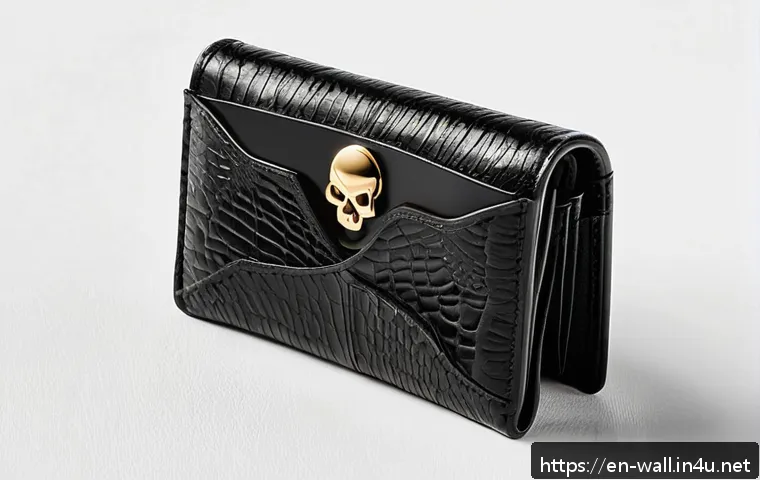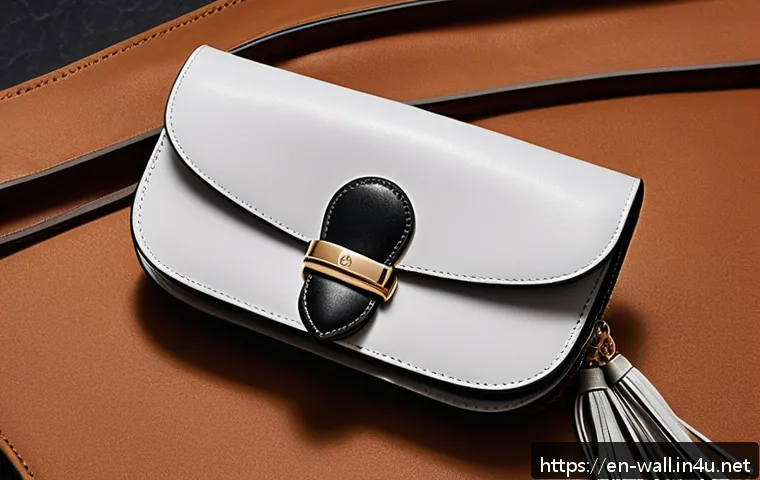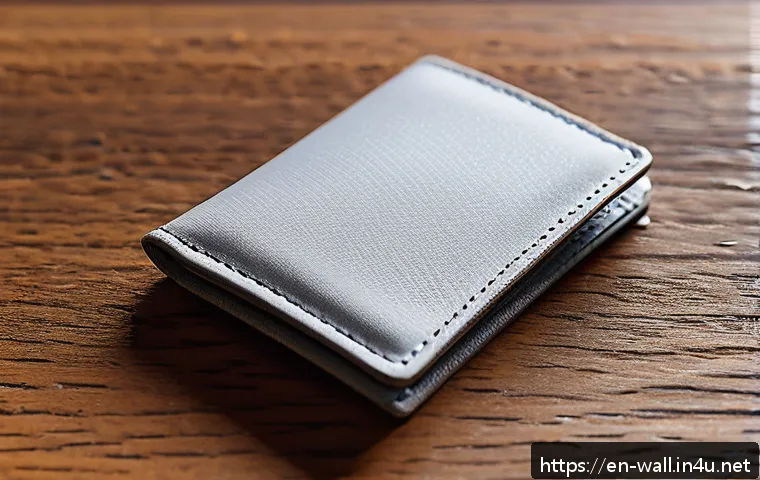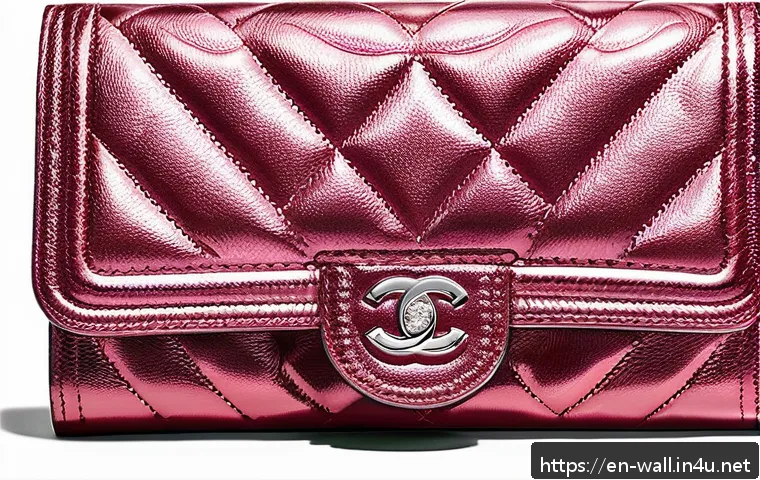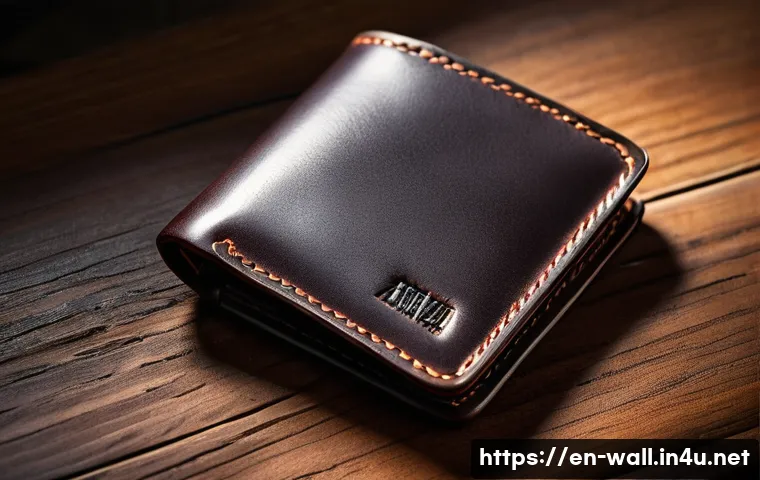
In today’s fast-paced world, wallets are evolving beyond just holding cash and cards. Smart leather wallets blend traditional craftsmanship with cutting-edge technology, offering features like RFID protection, Bluetooth tracking, and even wireless charging.
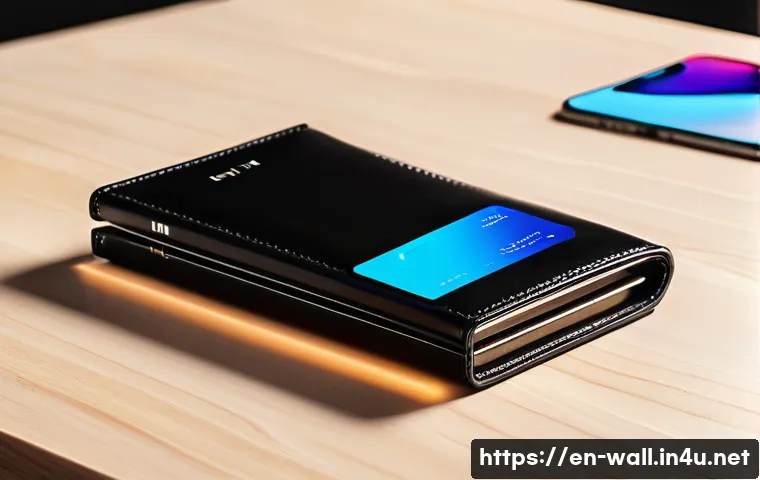
But how do these innovative designs stack up against classic leather wallets in terms of durability, style, and functionality? Whether you prioritize sleek aesthetics or tech-savvy convenience, understanding the pros and cons can help you make an informed choice.
Let’s dive deeper and explore what sets smart leather wallets apart—I’ll guide you through every detail!
Craftsmanship Meets Innovation: The Materials and Build Quality
Traditional Leather vs. Smart Leather Composition
When you hold a classic leather wallet, the first thing that strikes you is the texture and aroma of genuine leather. It’s that unmistakable scent and supple feel that often speaks volumes about quality and craftsmanship.
Traditional wallets typically use full-grain or top-grain leather, prized for durability and natural aging. On the other hand, smart leather wallets often integrate synthetic materials or treated leather to accommodate embedded electronics, like RFID-blocking layers or battery compartments.
While this can slightly alter the tactile feel, many brands have found ways to maintain a luxurious leather surface without compromising tech integration.
From my own experience, some smart wallets feel just as premium but with a subtle difference in flexibility due to the internal components.
Durability: Which One Lasts Longer?
Durability in wallets is crucial since they endure constant handling, stuffing, and pocket wear. Classic leather wallets, when properly cared for, can last for years—even decades—developing a beautiful patina that tells a personal story.
Smart leather wallets, however, face additional challenges. The embedded technology components, such as Bluetooth trackers or wireless charging coils, can be vulnerable to impact or moisture.
Some manufacturers use reinforced stitching and waterproof coatings to protect these sensitive parts, but it’s essential to handle smart wallets with a bit more care.
I noticed that dropping a smart wallet on a hard surface made me worry about potential damage, whereas traditional wallets simply bore the scuffs as character marks.
Maintenance and Aging Differences
Leather is known for evolving with time—classic wallets soften, stretch, and develop unique creases that reflect your lifestyle. Smart leather wallets, however, may not age as organically.
The presence of electronic layers can restrict how the leather flexes and wears. Additionally, cleaning smart wallets requires caution; excessive moisture or harsh cleaners might damage the tech inside.
From personal trial, I’ve found that wiping the surface gently with a dry cloth and occasional use of leather conditioner (carefully avoiding electronic parts) helps keep the wallet looking fresh without risking internal damage.
Style and Design: Blending Elegance with Modern Needs
Classic Wallet Aesthetics and Timeless Appeal
There’s something undeniably charming about a traditional leather wallet. Its minimalist design, smooth edges, and natural color variations make it a versatile accessory that pairs well with any outfit.
Whether you prefer a slim bifold or a rugged bifold with multiple compartments, classic wallets tend to emphasize understated elegance. In meetings or casual settings, pulling out a traditional leather wallet often leaves a subtle yet lasting impression of sophistication.
Personally, I’ve noticed how a high-quality leather wallet can spark compliments or conversations about craftsmanship and style.
Smart Wallet Designs: Functionality Meets Fashion
Smart wallets are designed to impress not just with looks but with practicality. Many feature sleek, minimalist profiles to accommodate modern needs like slim pockets and reduced bulk, balancing tech integration with style.
LED indicators, metal accents, and innovative closure mechanisms often add a futuristic vibe. While some smart wallets can feel a bit gadget-heavy, brands have made impressive strides in blending technology with refined aesthetics, offering colors and finishes that rival classic leather’s sophistication.
I found that choosing a smart wallet sometimes feels like investing in a fashion statement and a tech gadget rolled into one.
Versatility and Personal Expression
When it comes to expressing personal style, classic leather wallets provide a canvas for customization—engraving initials, choosing exotic leathers, or selecting vintage designs.
Smart wallets are catching up here, with customizable apps controlling features like alerts and settings, adding a new layer of personalization. However, the tech-driven nature might limit tactile customizations.
In real life, I’ve enjoyed pairing my smart wallet’s functionality with casual and formal wear, but it does sometimes feel like the style is dictated by tech constraints rather than pure fashion choice.
Technology Integration: Practical Benefits and Limitations
RFID Protection and Security Features
One of the most touted benefits of smart wallets is RFID blocking, designed to shield your credit cards from unauthorized scanning. Classic wallets, unless specifically treated, don’t offer this protection, leaving you exposed to potential data theft.
I’ve personally felt more secure using an RFID-enabled smart wallet, especially when traveling or in crowded places. The peace of mind knowing that your cards’ information is safeguarded is a huge plus in today’s digital age.
Bluetooth Tracking and Anti-Loss Technology
Losing a wallet can be a nightmare, but smart wallets equipped with Bluetooth trackers and smartphone integration drastically reduce this risk. These wallets can emit alerts if you leave them behind, and some even have built-in GPS capabilities.
From my experience, this feature proved invaluable on multiple occasions—like when I absentmindedly left my wallet at a café or in a taxi. The convenience of locating your wallet through an app is something traditional wallets can’t offer, making this a game-changer for forgetful or busy users.
Wireless Charging and Power Management
Some premium smart wallets come with wireless charging capabilities to power embedded devices like trackers or built-in power banks for charging your phone.
While this is a futuristic convenience, it does add weight and bulk. Managing battery life and remembering to recharge the wallet can also be an adjustment.
I found it fascinating but sometimes slightly inconvenient—especially if I forgot to charge it before heading out. Traditional wallets, by contrast, require no power, making them low-maintenance but obviously lacking these high-tech perks.
Usability and Everyday Convenience
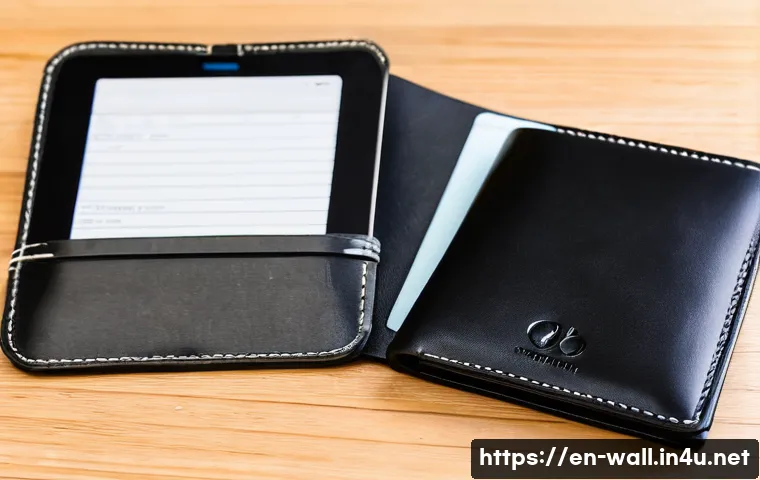
Storage Capacity and Organization
Classic leather wallets often boast multiple card slots, bill compartments, and sometimes coin pockets, offering ample space for cash, IDs, and receipts.
Smart wallets tend to focus on minimalism to maintain a slim profile, which means fewer slots but more intelligent storage solutions—like expandable compartments or modular designs.
In daily use, I noticed that smart wallets encourage me to carry less clutter, promoting a streamlined carry experience. However, if you’re someone who likes to hold on to every receipt or business card, a traditional wallet might serve you better.
Comfort and Pocket Fit
Comfort is king when it comes to wallets since you carry them everywhere. Traditional leather wallets usually soften over time and mold to your pocket shape, becoming almost like a second skin.
Smart wallets, due to their tech components, can initially feel stiffer or heavier. I found that smart wallets require a bit of a break-in period, and choosing one with a slim design helps immensely.
Still, there’s a noticeable difference in bulk, especially in tighter pockets or when sitting down for extended periods.
Interaction with Daily Tech Ecosystem
Smart wallets can sync with your smartphone to provide alerts, track spending, or even lock/unlock via apps, integrating seamlessly into your digital life.
This connectivity adds layers of convenience but also introduces dependency on battery life and app reliability. From my point of view, having a wallet that talks to my phone is incredibly handy but also requires me to stay mindful of software updates and occasional glitches.
Classic wallets, by contrast, are worry-free and simple—no batteries, no apps, just pure leather and functionality.
Price Considerations and Value for Money
Initial Investment vs. Long-Term Benefits
Smart leather wallets generally come with a higher upfront cost due to embedded technology and advanced materials. Depending on brand and features, prices can range significantly.
Classic leather wallets vary widely too, but many affordable options exist without sacrificing basic quality. When I weighed the cost, I considered not just the price tag but the added value of tech features like tracking and RFID protection, which could potentially save me from costly card fraud or lost wallet replacement.
Repairability and Warranty Support
Classic leather wallets can often be repaired or restored by a skilled leatherworker, extending their lifespan and maintaining their charm. Smart wallets, conversely, pose a challenge when it comes to repairs—electronic components are harder to fix or replace, and damage might render the entire wallet unusable.
Many smart wallet brands offer limited warranties or replacement programs, but it’s still less straightforward than patching a traditional wallet. In my experience, this means you have to be more cautious with a smart wallet and factor in potential replacement costs.
Resale and Sustainability Factors
Sustainability is becoming a priority for many consumers. Classic leather wallets, if sourced ethically, can be a durable investment that lasts for years, reducing waste.
Smart wallets, with their electronic parts, pose environmental challenges when disposed of. Resale value for classic wallets remains fairly strong, especially for high-end brands, while smart wallets tend to depreciate faster due to tech obsolescence.
Personally, I appreciate the longevity and eco-friendliness of traditional wallets but understand the trade-offs with the convenience smart wallets offer.
Summary of Key Differences Between Traditional and Smart Leather Wallets
| Feature | Traditional Leather Wallet | Smart Leather Wallet |
|---|---|---|
| Material Feel | Natural, supple leather with aging patina | Leather with integrated tech layers, slightly less flexible |
| Durability | Highly durable, ages well with care | Durable but sensitive to impact and moisture |
| Style | Classic, timeless, customizable | Modern, tech-inspired, sleek |
| Technology | No embedded tech | RFID blocking, Bluetooth tracking, wireless charging |
| Storage | More card slots and compartments | Minimalist, tech-driven storage |
| Maintenance | Requires conditioning, easy to clean | Needs careful cleaning, battery management |
| Price Range | Varies widely, often affordable | Generally higher due to tech features |
| Repairability | Repairable by leather artisans | Limited repair options, warranty-dependent |
In Conclusion
Choosing between a traditional leather wallet and a smart leather wallet ultimately depends on your lifestyle and priorities. Traditional wallets offer timeless elegance and durability, while smart wallets bring modern convenience and security features. Both have their unique strengths, and understanding these differences can help you make an informed decision that fits your needs. Personally, blending classic craftsmanship with innovative technology has been a rewarding experience.
Useful Information to Keep in Mind
1. Traditional leather wallets develop a unique patina over time, adding character and personal history to your accessory.
2. Smart wallets provide RFID protection and Bluetooth tracking, which enhance security and reduce the risk of losing your wallet.
3. Maintenance for smart wallets requires extra care to protect electronic components, including gentle cleaning and battery management.
4. Smart wallets tend to be slimmer and encourage carrying less, which can help simplify your daily essentials.
5. Repairing traditional wallets is often easier and more cost-effective compared to smart wallets, which may rely on limited warranties.
Key Takeaways
When deciding between traditional and smart leather wallets, consider factors such as durability, maintenance, and personal style preferences. Traditional wallets excel in longevity and timeless appeal, while smart wallets offer valuable tech features that enhance security and convenience. Be mindful of the care required for smart wallets and the potential trade-offs in flexibility and repairability. Ultimately, your choice should balance functionality with the look and feel that best suits your everyday life.
Frequently Asked Questions (FAQ) 📖
Q: Are smart leather wallets as durable as traditional leather wallets?
A: From my experience, smart leather wallets tend to be just as durable as classic ones, but it depends heavily on the brand and quality of materials used.
Traditional leather wallets are known for their longevity, often lasting years with proper care. Smart wallets, on the other hand, combine leather with electronic components, so while the leather itself holds up well, the tech parts can be vulnerable to damage or wear over time.
If you choose a smart wallet from a reputable maker that uses robust materials and waterproofing, it can definitely withstand daily use without falling apart.
Q: How reliable are the tech features like Bluetooth tracking and RFID protection in smart wallets?
A: I’ve found Bluetooth tracking to be a genuine lifesaver—especially when I’m rushing out the door and can’t find my wallet. The connection range varies but generally works well within about 30 feet, which is perfect for everyday scenarios.
RFID protection, meanwhile, is a game-changer for security. It blocks unauthorized scanning of your credit cards, which is a real concern these days. That said, tech features rely on batteries or connectivity, so there’s always a chance they might need occasional charging or troubleshooting.
Still, the convenience and added security make smart wallets worth considering.
Q: Do smart leather wallets compromise style for technology?
A: Honestly, the best smart wallets I’ve seen strike a great balance between sleek design and tech integration. Many manufacturers put a lot of effort into maintaining a classic leather look while embedding smart features discreetly.
You can find slim, elegant wallets that don’t scream “gadget” but still offer wireless charging or tracking capabilities. Of course, some models are bulkier due to extra tech components, which might not appeal if you prefer minimalist wallets.
But overall, it’s possible to get both style and functionality without sacrificing one for the other.